


July 10, 2026
Immigration Evaluations of Texas
Immigration law is evidence-driven. Every waiver, every petition, and every court hearing comes down to what you can prove on paper. That is exactly why immigration attorneys across the country increasingly recommend psychological evaluations as a core piece of their case strategy.
Whether your case involves an I-601 or I-601A hardship waiver, asylum, a U-Visa, VAWA, cancellation of removal, or another form of relief, psychological evidence can directly influence whether a decision-maker says yes or no. Immigration attorneys provide legal counsel and representation to navigate U.S. immigration laws, but they also know that legal arguments alone are sometimes not enough. The human cost of separation, trauma, and persecution needs professional documentation that goes beyond a personal statement.
At Immigration Evaluations of Texas, we provide forensic psychological reports designed to support immigration legal services across the U.S. via telehealth and in-person options. Our work is collaborative: with the clients to identify the legal question, and we answer it through clinical expertise. The goal is to tell the full, honest story in a way that is understood.
What Is an Immigration Psychological Evaluation?
An immigration psychological evaluation is a structured psychological assessment specifically designed to answer legal questions in immigration cases. It is not therapy, and it does not serve the same purpose as a counseling session.
A comprehensive evaluation includes a clinical interview, standardized psychological tests when clinically indicated, a detailed review of the person’s history, behavioral observations, and a written forensic psychological report. Evaluations assess emotional and behavioral concerns, and they include clinical interviews and psychological tests tailored to the immigration context.
There is an important distinction here. A brief mental health letter from a treating therapist might summarize symptoms in a paragraph or two. A comprehensive 12 to 20 page evaluation, on the other hand, provides the depth that immigration attorneys, USCIS officers, and immigration judges find understanding. As a mental health professional producing these reports, the evaluator documents conditions like depression, anxiety, PTSD, and functional impairment, tying each finding directly to the immigration issues at hand, whether that means family separation, persecution, or domestic violence.

Why Immigration Attorneys Recommend Psychological Evaluations
Here is the direct answer to the title question: immigration attorneys recommend psychological evaluations because objective psychological evidence can make the difference between an approval and a denial.
Attorneys must prove specific legal standards. “Extreme hardship.” “Credible fear.” “Substantial abuse.” These are not vague ideas. They are defined thresholds, and meeting them requires more than heartfelt affidavits. Psychological evaluations serve as a bridge, translating a client’s lived experience into clinical language that decision-makers are trained to weigh.
Immigration attorneys prepare comprehensive reports for immigration evaluations, and they prepare and submit petitions to U.S. Citizenship and Immigration Services. But they depend on expert documentation to fill evidentiary gaps. Attorneys perform a detailed review of immigration history and assess legal options, and a strong psychological evaluation gives them the clinical backing to argue those options persuasively.
Here are the key reasons attorneys refer clients for evaluations:
- They provide objective, professional documentation that goes beyond personal statements or affidavits.
- They help quantify emotional hardship using validated psychological tests and clinical observations, giving numerical data to mental health symptoms that might otherwise seem subjective.
- They identify specific diagnoses and treatment needs, showing the long-term impact of removal, separation, or continued abuse, and can help diagnosis and guide treatment planning.
- They increase credibility when officers are skeptical or when prior evidence was considered insufficient.
Psychological evaluations strengthen immigration cases by documenting trauma and hardship in a format that adjudicators respect. According to USCIS policy, “medical or mental health documentation and evaluations by licensed professionals” are explicitly recognized as acceptable evidence to support assertions of extreme hardship.
How a Psychological Evaluation Strengthens Different Types of Immigration Cases
Immigration evaluations may include assessments for VAWA, U-Visa, asylum, hardship waivers, and many other case types. Each has its own legal standard, and each demands a slightly different clinical focus. Immigration attorneys handle family-based and employment-based immigration cases, and evaluations must be tailored accordingly.
Hardship Waivers (I-601 / I-601A / Cancellation of Removal)
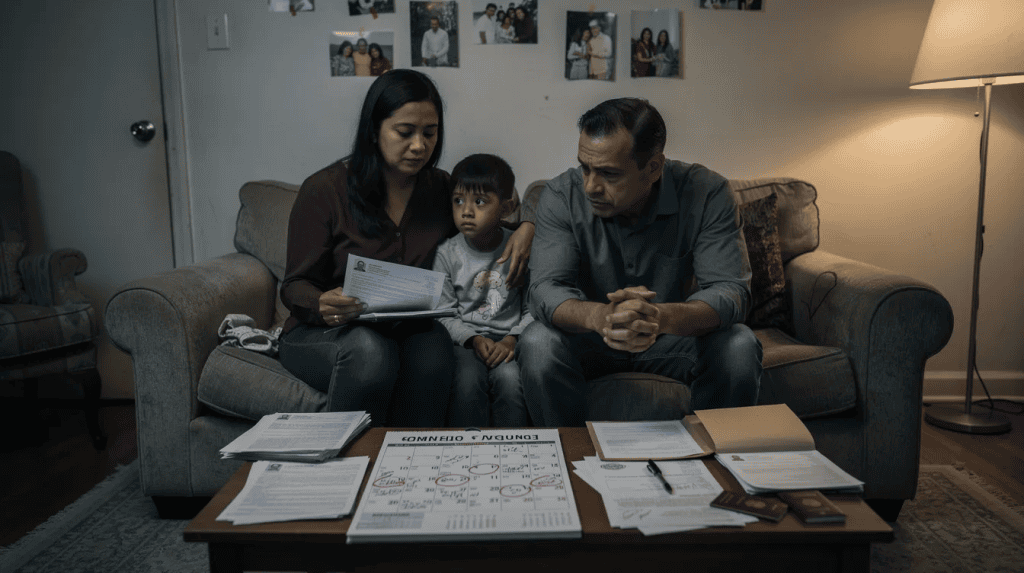
Hardship waivers are filed using Form I-601 or I-601A. Applicants must demonstrate extreme hardship to a qualifying relative, typically a U.S. citizen or lawful permanent resident spouse, parent, or child. Hardship waivers can apply to both immigrant and non-immigrant visas, and the waiver process can take several months to complete. Approval rates for hardship waivers vary by case and circumstances, which is exactly why strong evidence matters.
Psychological evaluations focus on the qualifying family member, documenting how removal or prolonged separation would affect them. Examples include:
- Worsening depression in a spouse if separated, validated by standardized screening scores
- Impact on a child’s special education or learning disorder services if relocated to countries without adequate resources
- Risk of relapse for a family member with a substance use history if their primary support system is disrupted
The psychologist connects symptoms to immigration-related stressors using psychological testing to validate severity and functional impact. In one published case example, an I-601A waiver was approved after the evaluator conducted four interviews with a U.S. citizen spouse, used depression and anxiety screening tools, interviewed a collateral sibling, and detailed how separation would likely trigger clinical relapse.
VAWA, U-Visa, and T-Visa Cases
VAWA allows abused spouses to self-petition for residency without their abuser’s knowledge or cooperation. The U-Visa provides legal status for victims of crime who cooperate with law enforcement. T-Visas protect victims of trafficking.
All three require showing substantial physical or mental abuse, trauma, and ongoing harm. Evaluations document PTSD, anxiety, shame, self-blame, and the barriers that prevent survivors from leaving abusive situations or cooperating with authorities. A trauma-informed psychological evaluation uses a sensitive clinical interview to help survivors tell their stories in a structured, safe way, producing reports that attorneys can submit confidently.
In one documented VAWA case, the psychological evaluation was decisive because it explained cultural stigma around reporting abuse, immigration-based threats by the abusive spouse, and childhood trauma that compounded adult PTSD symptoms. The nexus explanation connecting abuse to the patient’s behavior and clinical presentation was the factor that moved the case forward.
Asylum and Withholding of Removal
Asylum cases often turn on credibility. When a person fleeing persecution cannot remember exact dates, or their testimony seems inconsistent, adjudicators may question whether the story is true. Attorneys provide defense against deportation in immigration court and represent individuals in removal proceedings, but they need clinical evidence to explain why trauma affects memory and testimony.
Psychological evaluations can:
- Document trauma-related memory gaps so they are not mistaken for dishonesty
- Show how PTSD, depression, or survivor’s guilt affect daily functioning and intensify fear of return
- Provide cultural context explaining why clients delayed applying or struggled to discuss specific events
Attorneys may use evaluations to support both affirmative asylum filings and defensive asylum in immigration court. With approximately 58.3% of completed asylum cases resulting in grants, credible psychological evidence can be a differentiator in borderline cases.
SIJS, J-Visa Waivers, and Other Specialized Matters
For Special Immigrant Juvenile Status (SIJS), evaluations assess the impact of abuse, neglect, or abandonment on children and help judges understand why reunification with a parent is not viable and why remaining in the U.S. serves the child’s best interests. Evaluators document developmental trauma, attachment disruption, and emotional effects of abandonment in adults and children alike.
J visas are for exchange visitors, and J-1 hardship waivers may require documenting the psychological risk of forced return. Similarly, Adam Walsh-related evaluations address child sexual abuse and require detailed trauma and risk assessments.
Removal of conditions applies to conditional residents, who must file Form I-751 to remove those conditions. Applicants must file Form I-751 within 90 days of expiration, and failure to file can lead to loss of residency. Joint filing is required unless a waiver is applicable, and in abuse-based waiver situations, psychological evaluations document the harm that makes joint filing impossible.
Immigration attorneys often turn to specialized providers when a case involves complex family dynamics, sensitive allegations, or niche legal standards.
What Happens During the Psychological Evaluation Process?
Many clients feel anxious about the evaluation itself. Here is what actually happens, step by step.
Step 1 – Attorney Referral and Case Review
The attorney contacts the evaluator or the client reaches out directly. The psychologist reviews the attorney’s cover letter, filings, police reports, medical records, past medical history, and prior mental health notes if available. Attorneys ensure compliance with current immigration regulations during filings, and the evaluation must align with those same standards.
Step 2 – Comprehensive Clinical Interview
One or more sessions lasting two to three hours cover immigration history, family history, family background, medical and mental health history, trauma history, and current symptoms. Interviews can be conducted in English or Spanish, in person or via secure telehealth. The evaluator will observe the patient through questions, note affect, speech patterns, and demeanor.
Step 3 – Psychological Testing
When clinically indicated, the evaluator administers standardized psychological tests and screening tools. These are not “pass/fail” medical tests. They are questions designed to measure severity of depression, anxiety, PTSD, cognitive functioning, or personality traits relevant to the case. Test takers complete questionnaires, and the evaluator interprets results in context.
Step 4 – Collateral Information
When appropriate, the evaluator interviews a family member, partner, parent, or other key relative to corroborate hardship and behavioral changes. School, work, or medical documents may also be reviewed to support conclusions. This ensures the evaluator has all the information needed.
Step 5 – Report Writing and Attorney Review
The evaluator creates a 12 to 20 page forensic psychological report linking clinical findings to the immigration legal standard. Attorneys may request clarifications to align with case strategy while the clinician maintains clinical independence.
Understanding Psychological Testing in Immigration Cases
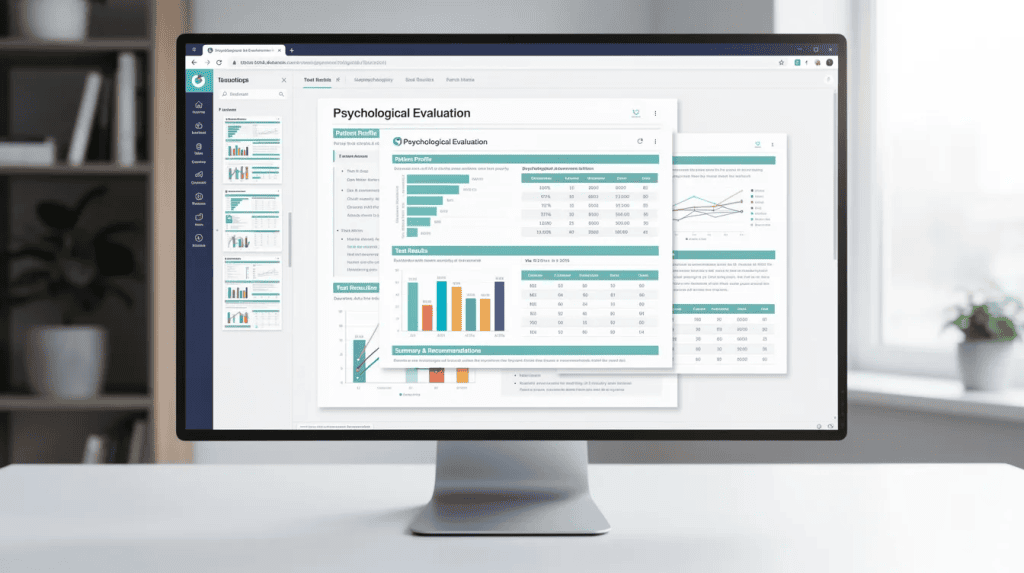
Understanding psychological testing is essential for both attorneys and clients. Psychological tests are standardized, normed tests and measures that produce objective data. They are different from the broader psychological evaluation, which also includes history, clinical interview, observations, and records review.
Norm referenced tests compare an individual’s responses to a standardized group, providing context for how severe symptoms are relative to others. For example, the MMPI is a widely used personality assessment tool that can evaluate personality traits, emotional functioning, and validity of symptom reporting. Other assessment tools like the BDI and BAI measure depression and anxiety severity with numerical scores.
Psychological evaluations help diagnose conditions like anxiety and depression, and assessment tools are chosen carefully to be culturally and linguistically appropriate. Using normed tests developed only for English-speaking American populations can disadvantage non-U.S.-born clients, so evaluators experienced in multicultural practice select instruments thoughtfully.
Key goals of psychological testing in immigration cases:
- Objectively document severity of depression, anxiety, or PTSD at a person’s level of functioning
- Assess cognitive or learning difficulties, including any learning disorder or disabilities that affect a person’s ability to navigate the immigration process
- Provide data that complements the person’s narrative and clinical interview rather than replacing it
Testing is collaborative. It can be completed via paper-and-pencil or computer formats and is always interpreted by a licensed psychologist experienced in multicultural assessment.
Experience and Expertise: Why Report Quality Matters
Immigration officers and judges increasingly distinguish between generic therapy letters and detailed, case-specific forensic reports. Reports that fail often do so because they lack specificity, omit test results, ignore cultural context, or do not address the legal standard at all.
Immigration Evaluations of Texas specializes in immigration psychological evaluations, with direct experience across hardship waivers, U-Visa, VAWA, T-Visa, asylum, SIJS, cancellation of removal, removal of conditions, and Adam Walsh evaluations. This is not a general therapy practice that occasionally writes letters. Every report is built for immigration matters.
A high-quality report includes:
- Clear history and timeline of immigration-related events
- Diagnostic impressions using DSM-5-TR criteria, with symptoms described in everyday language so adjudicators can fully understand the clinical picture
- Direct, legally relevant opinions, such as likelihood of decompensation if separated, risk to mental stability, or impact on child development
- Cultural competence, including attention to stigma, language, and country-of-origin context
- A treatment plan addressing ongoing needs and prognosis
The evaluator’s credentials matter. Licensed clinicians with forensic training and years of experience producing attorney-ready reports carry more weight than providers unfamiliar with immigration law or court expectations. An american psychologist or licensed clinician who understands how immigration judges assessed evidence will write a fundamentally different report than one who does not.
Telehealth, Turnaround Time, and Practical Benefits for Your Case
Telehealth evaluations allow clients across Texas and many other U.S. jurisdictions to complete their evaluation from home. This is especially valuable for immigrants working multiple jobs, living in rural areas, or caring for children who cannot easily travel to an office.
Immigration Evaluations of Texas offers:
| Feature | Details |
| Standard turnaround | ~5 business days after final interview |
| Rush options | 24 or 48 hour turnaround for urgent filing deadlines |
| Languages | Bilingual English/Spanish services |
| Format | Secure telehealth or in-person video |
| Delivery | To the clients digitally |
For attorneys, this means reliable scheduling, clear communication, and reports delivered in a format ready to file. The practice is also available for testimony or clarification letters when cases go to hearing. These practical benefits matter when the immigration process is already stressful enough.
How Immigration Evaluations of Texas Works With Immigration Attorneys
The collaborative workflow is straight forward:
- Attorneys send a short referral outlining the legal question, such as extreme hardship, trauma from a qualifying crime, or risk if the person is returned to their home country.
- Immigration Evaluations of Texas tailors the clinical interview and psychological testing to answer those specific questions while maintaining full clinical independence.
- Clear scheduling and progress updates keep attorneys informed throughout the process.
The practice does not provide legal services or legal advice. It focuses entirely on psychological evaluation and documentation that supports the attorney’s legal theory. Immigration attorneys guide clients through consultations and document preparation, and our role is to provide the clinical evidence that strengthens their work.
Legal representation is valuable for complex immigration cases, and psychological expertise is equally valuable for building a complete evidentiary record. Immigration attorneys assist with citizenship and naturalization processes, handle businesses-related immigration, and manage complex filings. Our evaluations integrate into that work as a specialized component.
For additional resources, attorneys and clients can visit our website for detailed information about specific evaluation types.
Conclusion: Turning Your Story Into Strong, Credible Evidence
Immigration attorneys recommend psychological evaluations because they transform lived experiences of hardship and trauma into credible, structured evidence. When an officer or judge reviews a case file, a well-crafted forensic report with standardized test results, clinical observations, and a clear nexus opinion stands out from a stack of affidavits.
When done by experienced professionals who understand both clinical practice and immigration law, psychological evaluations can significantly strengthen cases that might otherwise be referred for denial. The evaluation gives your concerns a clinical framework that decision-makers are trained to weigh.
You are not alone in this process. Whether you are an immigrant preparing for a difficult filing or an attorney building a case, professional help exists to document struggles in a way that the system is designed to recognize and respect.
Share
Recent Posts

How to Choose the Right Immigration Evaluation Provider in Texas
August 3, 2026
If you or a loved one is facing an immigration case in Texas, knowing how to choose the right immigration evaluation provider in...

How T Visa Psychological Evaluations Strengthen Immigration Cases
July 31, 2026
Survivors of human trafficking face some of the most harrowing experiences imaginable, from involuntary servitude and debt bondage to sexual assault and forced...
How VAWA Psychological Evaluations Support Your Immigration Case
July 29, 2026
If you or someone you know has experienced domestic violence at the hands of a qualifying family member, VAWA psychological evaluations can be...