


June 9, 2026
Immigration Evaluations of Texas
Immigration Evaluations of Texas provides immigration psychological evaluations for hardship waivers, VAWA, U-Visa, T-Visa, asylum, SIJS, removal of conditions, Adam Walsh matters, and cancellation of removal.
Many immigration cases in 2024–2026 depend on documented mental health, trauma, and hardship. A detailed forensic psychological report can turn painful personal history into objective evidence that USCIS or immigration courts can understand. U.S. Citizenship and Immigration Services (USCIS) oversees immigration evaluations in the United States, while immigration courts decide many removal-defense cases.
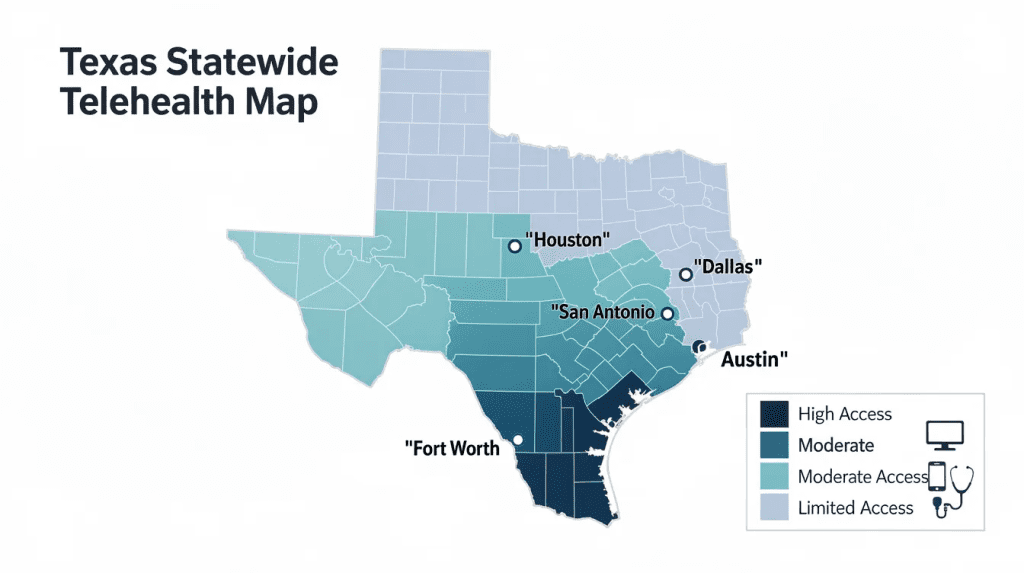
We serve Houston, Dallas, Austin, San Antonio, El Paso, border communities, and rural Texas through secure telehealth, with standard 5-day report writing after completion when available and 24–48 hour rush options for urgent deadlines.
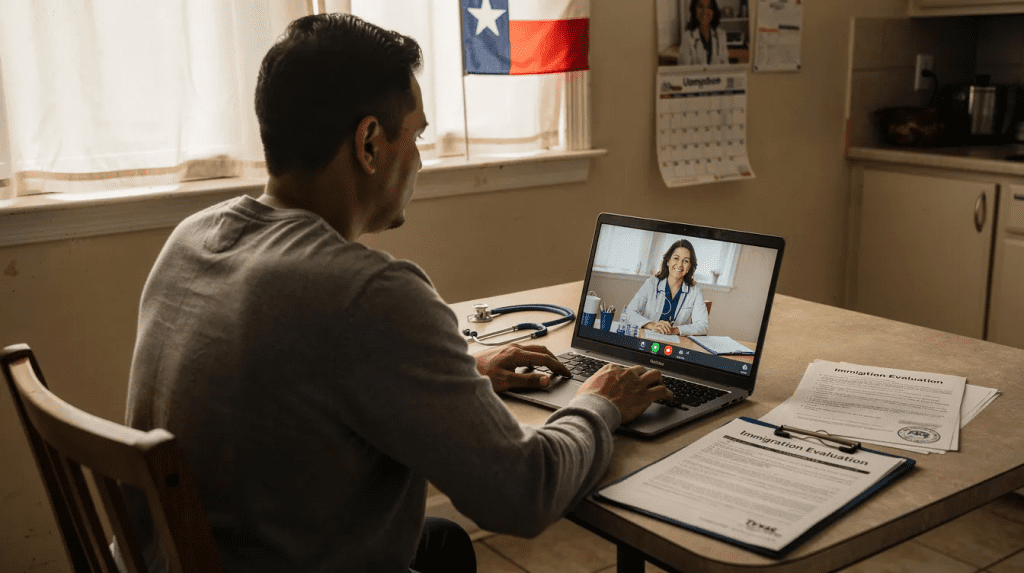
What Is an Immigration Psychological Evaluation in Texas?
An immigration psychological evaluation is a formal clinical assessment conducted by a licensed mental health professional to generate a written report that supports an immigration case, focusing on the applicant’s mental health, trauma history, mental health history, and emotional impact. It is for immigration purposes, not routine therapy.
In Texas, licensed mental health professionals conduct immigration evaluations to document claims of extreme hardship, trauma, or abuse, ensuring compliance with legal standards. Psychological evaluations for immigration must be carried out by legally recognized licensed practitioners, such as Licensed Psychologists, Licensed Clinical Social Workers, or Licensed Professional Counselors.
The evaluation process typically includes a clinical interview, psychological testing, and a review of relevant documents, resulting in a comprehensive report that outlines the applicant’s mental health status and the psychological impact of their immigration situation. Final reports from psychological evaluations typically range from 8 to 20 pages and should align clinical diagnoses with the required legal definitions for immigration.
When Do You Need an Immigration Evaluation?
Immigration evaluations are not required in every case, but they are often crucial when mental health symptoms, family hardship, abuse, violence, or deportation risk is central.
You may need a professional assessment when:
- Filing an I-601 or I-601A hardship waiver.
- Seeking extreme hardship waivers where separation distress must go beyond ordinary sadness.
- Applying after domestic violence or domestic abuse under VAWA.
- Filing a u visa or t visas case as a victim of crime or trafficking.
- Supporting asylum based on persecution, torture, or fear of return.
- Defending cancellation of removal in immigration proceedings.
- Preparing SIJS, J-Visa hardship, removal of conditions, or Adam Walsh evaluation documents.
Speak with an immigration attorney first. Then schedule an assessment once your attorney confirms the specific questions the report must answer.
Types of Immigration Cases We Support
Immigration Evaluations of Texas works with individuals, family members, lawyers, and each immigration attorney to prepare clinical evaluations tailored to the visa or relief type.
Extreme Hardship Waivers
A hardship waiver (I-601/I-601A) is a formal request to the U.S. government to allow an individual to remain in the country despite being inadmissible due to certain grounds, by demonstrating that removal would cause extreme hardship to a qualifying relative, such as a spouse or parent.
Extreme hardship is defined by USCIS as suffering beyond ordinary emotional or financial difficulties from separation, requiring detailed documentation of psychological and emotional impacts. Extreme Hardship Waivers require proof of exceptional and unusual hardship that exceeds standard family separation stress, focusing on psychological impacts related to relocation or separation.
A hardship evaluation usually documents depression, anxiety, panic, PTSD, caregiving needs, children’s school disruption, medical reliance, and Texas community support. The evaluation process for a hardship waiver typically includes a clinical assessment that documents the psychological impact of potential separation on the applicant and family, which can be crucial in establishing extreme hardship.
VAWA Self-Petitions
VAWA evaluations are designed to assess the mental health impact of domestic abuse on individuals seeking immigration relief under the Violence Against Women Act, often searched as the violence against women act or women act. VAWA applies regardless of gender.
The evaluations typically document psychological symptoms such as PTSD or depression, which are crucial for supporting VAWA claims. A VAWA evaluation includes a clinical interview and may involve psychometric testing to provide a comprehensive understanding of the applicant’s mental health status. We use a trauma-informed approach because sensitivity to past violence or persecution is necessary in immigration evaluations.
U-Visa
U-Visa evaluations are essential for individuals who have been victims of serious crimes because they document the psychological impact of the crime on the victim’s mental health and daily life.
The evaluation process for U-Visa applicants typically includes a clinical interview, psychological testing, and review of relevant documents to create a comprehensive report that supports the immigration case. A well-conducted U-Visa evaluation can significantly influence the outcome by providing objective evidence of trauma and its effects.
T-Visa
T-Visa evaluations are critical for survivors of human trafficking because they document psychological trauma and fear experienced by victims. The evaluation process for T-Visa applicants typically includes a structured clinical interview, psychological testing, and a comprehensive report outlining mental health impacts of trafficking.
T-Visa evaluations provide essential evidence that helps immigration authorities understand long-term psychological effects that may not be documented elsewhere.
Asylum & Withholding of Removal
Asylum evaluations document the psychological impacts of past trauma and verify fears of future harm as part of the asylum petition process. These reports connect persecution, torture, war, or political violence with PTSD, avoidance, nightmares, hypervigilance, and functional impairment. See official USCIS asylum information.
Cancellation of Removal
Psychological evaluations for cancellation of removal are crucial in documenting the emotional and mental impact of potential deportation on the applicant and U.S. family members. The evaluation process for cancellation of removal typically includes a clinical interview, psychological testing, and review of relevant documents to assess mental health and hardships.
A well-documented psychological evaluation can significantly influence the outcome by providing objective evidence of hardships faced by the applicant and loved ones.
Our Process
Most immigration evaluations follow a clear path:
- Free 15–20 minute consultation to identify case type, deadline, language, and whether a first evaluation is appropriate.
- Intake forms covering demographic details, immigration status, medications, mental health history, and consents.
- Required documents uploaded securely, such as therapy notes, police reports, school records, affidavits, and medical files.
- Clinical interview by telehealth or in-person video, usually 2–3 hours and conducted at the client’s pace.
- Standardized testing when appropriate. Standardized testing during evaluations often employs scientifically validated psychological measures to assess PTSD, anxiety, depression, stress, or cognitive concerns.
- Record review and collateral interviews with family members when authorized.
- Report writing with diagnosis, clinical findings, functional impact, and legal relevance.
- Attorney review, minor clarifications, and final PDF delivery.
Evaluations must adhere to specific legal criteria based on the applicant’s legal pathway, categorizing assessments into types such as Extreme Hardship Waivers, Trauma-Based Visas, and Naturalization Waivers.

Cost, Payment, and Timeline
The cost of immigration psychological evaluations typically ranges from $1,200 to $2,000, but can vary based on the evaluator’s credentials and case complexity. Factors influencing the cost of immigration evaluations include the number of sessions required, complexity, number of people assessed, interpreter needs, and urgency of the report needed.
Additional costs may apply for expedited services, which can range from $250 to $500 for faster report delivery, and for interpreter services, which typically cost between $50 and $150 per hour. Immigration Evaluations of Texas provides a written fee quote before the appointment. We may offer payment plans when deadlines allow; payment plans often include a deposit and balance before release of the final report.
The standard turnaround time for immigration psychological evaluations is typically between 2 to 3 weeks after the interview is completed. Our practice may complete standard reports faster when documents are ready, and expedited services can reduce turnaround to as little as 1 week, often with an additional fee. Many evaluators recommend starting the immigration evaluation process 8–12 weeks before filing or court deadlines.
How Evaluations Describe Extreme Hardship
Evaluations provide critical objective evidence for immigration cases, helping translate emotional and psychological distress into clinical data accepted by USCIS or immigration courts. Under the USCIS Policy Manual, hardship factors may include health, family ties, finances, education, country conditions, and relocation concerns.
A strong report explains:
- Mental health symptoms such as PTSD, depression, anxiety, suicidal thoughts, or panic.
- Medical needs and caregiver dependence.
- Child development, school services, and Texas-based treatment access.
- Financial strain, community ties, language barriers, and safety risks.
- The difference between ordinary hardship and clinically significant impairment.
How to Prepare
Preparation helps the individual seeking an immigration psychological assessment feel grounded.
Bring or upload:
- Mental health evaluations, therapy notes, hospital summaries, and medication lists.
- Police reports, restraining orders, protection orders, or crime records.
- School reports, IEPs, letters from teachers, clergy, employers, or community members.
- A timeline of trauma, moves, marriage, separation, abuse, treatment, and symptoms.
For telehealth, choose a private room, keep water nearby, arrange childcare, and remember it is perfectly fine to ask for breaks.
Why Choose Immigration Evaluations of Texas?
Immigration Evaluations of Texas focuses on conducting immigration evaluations, not general counseling-only services. Our Texas-licensed clinicians understand USCIS expectations, immigration courts, report structure, and culturally responsive interviewing.
Clients choose us for:
- Statewide telehealth in Houston, Dallas, Austin, San Antonio, El Paso, the Rio Grande Valley, and rural Texas.
- Bilingual English/Spanish services, with interpreters available for other languages.
- Attorney-ready reports that are detailed, objective, and case-specific.
- Fast turnaround and rush options for urgent USCIS or court deadlines.
- Compassionate support for immigrants, victims, survivors, and mixed-status families.
Conclusion
Immigration psychological evaluations are essential for many immigration cases, including asylum applications, hardship waivers, and cases involving domestic violence, because they provide objective evidence of the psychological impact of deportation, family separation, abuse, or persecution.
Immigration Evaluations of Texas offers specialized, fast, culturally responsive immigration psychological evaluations across Texas, tailored to hardship waivers, VAWA, U-Visa, T-Visa, asylum, SIJS, removal of conditions, Adam Walsh matters, and cancellation of removal. Pairing a strong legal strategy with a solid immigration psychological report can meaningfully strengthen a case.
Share
Recent Posts

Where to Get an Immigration Evaluation in Dallas, Texas
September 21, 2026
If you need an immigration evaluation in Dallas, you have options that don’t require sitting in traffic across the metroplex. Immigration Evaluations of...

Immigration Psychological Evaluation vs Therapy: What Is the Difference?
September 18, 2026
An immigration psychological evaluation is a formal, time-limited mental health assessment conducted specifically to support an immigration case. It is not ongoing treatment....

What Is Included in an Immigration Psychological Evaluation Report?
September 16, 2026
An immigration psychological evaluation report is one of the most important pieces of evidence you can submit in a U.S. immigration case. Whether...