


junio 18, 2026
Immigration Evaluations of Texas
Introduction: Why Immigration Evaluations Matter Right Now
Immigration evaluations can be the difference between a denied petition and an approved one. When you’re filing a hardship waiver, pursuing political asylum, or seeking protection under VAWA, an immigration psychological evaluation gives adjudicators something they rarely get from standard legal filings: a clear, clinical picture of how immigration-related trauma and hardship affect real people.
The primary goal of these assessments is to document emotional and psychological impacts in immigration cases. Immigration psychological evaluations assess mental health for legal purposes, and the data shows they work. Quality evaluations are crucial for successful immigration applications, and they can significantly influence immigration outcomes, increasing approval rates.
At Immigration Evaluations of Texas, we specialize in these forensic psychological evaluations for individuals and families across the state, delivered through secure telehealth. In this guide, you’ll learn exactly what immigration evaluations are, who needs them, how the evaluation process works, and how to get started quickly.

What Is an Immigration Psychological Evaluation?
An immigration psychological evaluation is a structured mental health assessment conducted specifically for an immigration case. It is not routine therapy. Evaluations assess psychological functioning and trauma exposure, and they produce a comprehensive report that serves as legal evidence.
- It documents trauma, mental health symptoms, and emotional well being relevant to a specific immigration petition
- It is commonly used in hardship waiver cases (I-601, I-601A), U visa, T visa, VAWA, asylum, SIJS, cancellation of removal, Removal of Conditions, and certain Adam Walsh cases
- The end product is usually a detailed written report of 12–20 pages tailored to the person’s immigration status and case type
- Reports are submitted as evidence to USCIS or immigration courts
The Difference Between Therapy and an Immigration Evaluation
Evaluations are not traditional therapy but aim to produce a comprehensive report for a legal decision-maker. While sessions may feel similar-sharing your life story, trauma, and symptoms-the goals differ significantly.
- Therapy focuses on healing over time; an immigration evaluation focuses on documenting trauma and its psychological impact on immigration cases
- A therapist builds a therapeutic alliance; an evaluator maintains objectivity and adheres to forensic principles like objectivity and transparency
- Evaluators cannot «promise» a diagnosis or a favorable legal outcome
- A licensed clinician may recommend therapy after the evaluation, but the assessment itself is not ongoing treatment
Why Immigration Evaluations Are So Important in Immigration Cases
Immigration law runs on evidence. Judges and USCIS officers weigh clinical documentation heavily because it adds credibility and depth that personal declarations alone cannot achieve. Evaluations can assess the emotional impact of immigration-related trauma or hardship in ways that are clinically relevant and legally persuasive.
Here’s what makes them so valuable:
- They show extreme hardship in I-601/I-601A immigration waivers by connecting clinical findings to family separation consequences
- They explain the psychological impact of domestic violence in VAWA cases
- They document trauma related symptoms-PTSD, depression, anxiety-in asylum, U visa, and T visa petitions
- They help an immigration case build stronger arguments by providing an expert opinion grounded in clinical psychology
Psychological evaluations can double asylum approval odds. A landmark study by Physicians for Human Rights found that asylum seekers who received forensic evaluations had an 89% grant rate, compared to a national average of roughly 37–40%. A more recent analysis of 2,584 cases confirmed that grant rates reach 81.6% with a forensic mental health report included, versus approximately 42.4% nationally.
Immigration Evaluations of Texas writes reports in clear, court-ready language.
Who Typically Needs an Immigration Psychological Evaluation?
Most clients are self-referred
- Hardship waivers (I-601/I-601A) assessing extreme hardship to U.S. citizen or LPR relatives
- Asylum seekers fleeing persecution or political asylum claims
- Survivors of domestic violence applying under the Violence Against Women Act (VAWA)
- Victims of crime requesting U visas
- Trafficking survivors seeking T visas for human trafficking cases
- Children and youth in SIJS cases involving abuse, neglect, or abandonment
- Applicants in cancellation of removal or removal of conditions proceedings
- N-648 disability situations (note: N-648 evaluations certify medical conditions affecting naturalization and require evaluations by MDs or licensed psychologists)
In hardship cases, family members-spouses, parents, children-are often the ones evaluated to demonstrate emotional and psychological suffering caused by potential family separation.
Who Can Perform an Immigration Evaluation?
Immigration mental health evaluations must be conducted by licensed mental health professionals qualified under state law and accepted by immigration courts and USCIS. Qualified evaluators include licensed psychologists, psychiatrists, and clinical social workers. Licensed psychologists and psychiatrists conduct immigration psychological evaluations, and board certified psychologists are uniquely qualified for immigration evaluations.
- Clinical psychologists (PhD/PsyD) carry the highest weight in most immigration proceedings
- Psychiatrists (MD) are necessary when medication or medical diagnosis is central
- A licensed clinical social worker or licensed therapist can perform many types of psychological immigration evaluations
- Certain petitions legally require an MD or licensed clinical psychologist-a licensed social worker cannot sign as the primary evaluator in those cases
In Texas, psychologists performing forensic services must comply with Texas Administrative Code § 465.18, which requires demonstrated competence, validated techniques, and substantiated findings. Evaluators must be trained in trauma informed and culturally competent care, approaching clients from diverse ethnic and cultural backgrounds with cultural humility.
What to Look for in an Evaluator
When choosing a provider for your immigration assessments, consider:
- Years of experience with immigration cases and familiarity with immigration psychology
- Expertise in your specific petition type (hardship waiver vs. asylum cases vs. VAWA)
- Language capabilities-bilingual services in English and Spanish reduce anxiety and improve accuracy
- Clear policies on fees, turnaround time, and report length
- Telehealth availability across Texas, including evening or weekend appointments for working families
The Immigration Evaluation Process: Step-by-Step
The process is structured, confidential, and designed so that you remain in control throughout. The evaluation process includes a structured clinical interview, along with record review and report writing. Evaluations typically include clinical interviews and psychological testing when appropriate.

1. Consultation Call
A 10–20 minute phone or video consultation confirms case type, deadlines, and whether a psychological evaluation is appropriate. The evaluator or intake coordinator will ask about:
- The type of immigration petition (e.g., I-601A hardship waiver, U visa, asylum)
- Your immigration attorney’s name and contact information
- Key deadlines or court dates
- Language needs (English or Spanish)
- Preferred telehealth or in-person video options
Immigration Evaluations of Texas often schedules consultations within 24–48 hours for clients facing strict deadlines.
2. Completing Intake Paperwork and Document Review
Intake forms must be completed before the evaluation appointment through a secure, HIPAA-compliant platform. Required documents typically include:
- Copies of immigration filings
- Police or court records
- Medical and mental health history documentation, including relevant medical records
- Education records and school records
- Prior psychological evaluations or letters from a therapist
- Supporting letters from friends or family
Organized paperwork helps the evaluator produce a more thorough and credible report.
3. Evaluation Session(s)
Most immigration psychological evaluations involve one to two extended clinical interview sessions. Evaluations typically take 90 to 120 minutes to complete. The assessment conducted during these sessions covers:
- Personal and family history
- Immigration history and key events
- Trauma experiences-abuse, persecution, crime victimization
- Current mental health symptoms such as anxiety, depression, PTSD, and sleep difficulties
- Impact of potential separation or deportation on the client and family
Sessions at Immigration Evaluations of Texas are often conducted via secure telehealth, with flexibility for evenings and weekends when possible.
4. Psychological Testing (When Needed)
Not every case requires formal testing, but the evaluation process may include standardized psychological tests to add objectivity. Common instruments include:
- PTSD symptom checklists
- Depression and anxiety scales
- Trauma and functioning questionnaires
- Cognitive screening tools in rare cases
Testing is especially helpful when immigration courts or USCIS want more than self-report, and it strengthens the clinical assessment overall.
5. Report Writing and Delivery
After interviews and testing, the evaluator synthesizes all data into a detailed forensic psychological report of 12–20 pages. Reports are usually completed within 7 to 10 business days. The report writing phase produces a document covering:
- Background summary and referral questions
- Diagnostic impressions and clinical findings
- Explanation of trauma and mental health symptoms
- Cultural context and family dynamics
- Analysis of extreme hardship or persecution tied to USCIS immigration law standards
- Clear, evidence-based clinical conclusions
Immigration Evaluations of Texas offers standard 5-business-day turnaround, with 24- and 48-hour rush options for urgent deadlines.
Types of Immigration Evaluations and Cases We Support
Types of evaluations include trauma related and non-trauma-related cases. Each immigration petition requires a slightly different focus, and Immigration Evaluations of Texas tailors every clinical assessment to the specific legal context.
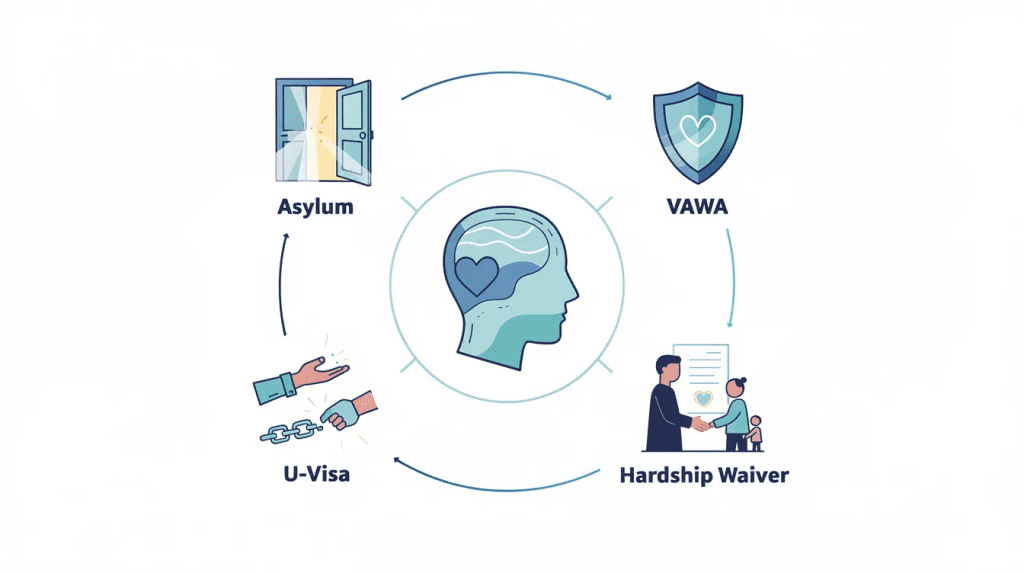
Hardship Waiver & Extreme Hardship Evaluations (I-601 / I-601A / Cancellation of Removal)
Hardship waivers evaluate psychological impact on U.S. relatives. Extreme hardship assessments determine consequences of deportation on family members, including:
- Emotional and psychological dependence between family members
- Impact of separation versus relocation to the home country
- Mental health history of qualifying U.S. citizen or LPR relatives
- Availability of mental health treatment abroad
- Educational and developmental impact on children
Asylum Evaluations
Immigration evaluations support asylum claims by documenting past persecution and mental health effects. Asylum evaluations document trauma and PTSD for credibility, covering:
- Trauma-related memory gaps and their clinical explanation
- Cultural factors influencing symptom expression among people from diverse ethnic and cultural backgrounds
- Credible fear of return and ongoing risk
- Functional impairment in daily life
Thorough asylum evaluations play a critical role in establishing credibility in court and at USCIS interviews.
VAWA (Violence Against Women Act) Evaluations
VAWA cases document emotional abuse and psychological suffering for legal petitions. VAWA evaluations establish abuse-related trauma for survivors, addressing:
- Patterns of abuse including psychological control, isolation, and fear
- Domestic violence consequences such as panic attacks, depression, and trauma
- Impact on parenting and psychological functioning
- Cultural and financial barriers to leaving
U-Visa and T-Visa Evaluations
U visas are for victims of certain crimes who cooperated with law enforcement. T visa evaluations assess trauma from human trafficking experiences. Both evaluate:
- U visas document the psychological impact on victims of crimes
- Chronic trauma symptoms and safety concerns
- How fear of deportation may affect cooperation with authorities
- Documenting trauma across immigration purposes
Special Immigrant Juvenile Status (SIJS) and Youth Evaluations
SIJS evaluations focus on abuse, neglect, or abandonment by one or both parents. Special considerations for children and youth include:
- Developmentally appropriate interviewing techniques
- School and behavioral history review
- Attachment issues and trauma symptoms in children and teens
- The importance of stability and safety in the U.S.
What’s Inside an Immigration Evaluation Report?
Every written report from an immigration psychological evaluation is structured, objective, and written in professional, legal-ready language. Evaluations document trauma and its impact on immigration cases. Typical sections include:
- Identifying information and purpose of the evaluation
- Methods used-clinical interview, standardized psychological tests, records review
- Personal, family, and immigration history
- Mental health symptoms and diagnoses (if clinically relevant)
- Functional impact on daily life and emotional well being
- Analysis of extreme hardship, psychological harm, or persecution tied to the specific immigration standard
- Clear, evidence-based conclusions
Immigration Evaluations of Texas does not exaggerate or invent symptoms. If clinically significant findings are absent, the report states that honestly.
Costs, Payment, and Whether We Accept Insurance
Most immigration psychological evaluations cost between $800 and $2,500, depending on case complexity, number of sessions, and turnaround requirements. More complex cases-such as asylum with multiple traumas or VAWA-may run higher.
Immigration evaluations are forensic and legal services, not medically necessary treatment. Because of this, most providers do not accept insurance for these assessments. Immigration Evaluations of Texas does not typically accept insurance for immigration evaluations but discusses all fees upfront in writing before scheduling.
- Fee includes clinical interview(s) and the detailed written report
- Rush fees apply for 24–48 hour deadlines
- Payment plans or split payments may be available before final report release
How to Prepare for Your Immigration Evaluation
There is no «perfect» way to talk about trauma. The goal is honesty, not perfection. Here are practical tips to reduce anxiety and help your evaluator:
- Gather key documents: immigration filings, medical records, police reports, therapy records
- Write down important dates and events beforehand
- Set aside quiet, private time for telehealth sessions
- If you prefer Spanish or another language, request a bilingual evaluator
It is normal to feel nervous or emotional. Evaluators at Immigration Evaluations of Texas practice trauma informed care and move at a pace that feels safe, always respecting your mental health history and cultural context.

Immigration Evaluations of Texas: How We Work With You
Immigration Evaluations of Texas provides immigration mental health evaluations tailored to each client’s legal needs. Here’s how we work:
- Telehealth evaluations available across Texas via a HIPAA-compliant secure platform
- Bilingual (English/Spanish) services
- Standard 5-business-day report turnaround with rush options (24 or 48 hours)
- Detailed 12–20 page reports for U visas, VAWA, T visas, asylum, hardship waivers, SIJS, cancellation of removal, Removal of Conditions, and Adam Walsh matters
- Direct collaboration with you to understand case theory, deadlines, and legal standards
Our practice is grounded in clinical psychology and social work, with experience working with Latino, mixed-status, and multilingual families. We approach every case with cultural humility and a commitment to serving people from diverse ethnic backgrounds.
Timeline and Availability
Consultations are typically available within a few business days. Full evaluations and reports are often delivered within one to two weeks in standard cases. Evening or weekend appointments may be available for working families. If you have an urgent court date, mention your deadline immediately so we can discuss rush options.
Conclusion
Immigration evaluations are powerful tools for documenting trauma, mental health, and hardship in a language that judges and USCIS officers understand. Whether you are pursuing a hardship waiver, asylum claim, U visa, VAWA petition, or another form of immigration relief, a strong psychological evaluation can play a critical role in your legal outcome.
You do not have to navigate this process alone. Working with an experienced evaluator creates a stronger, clearer case-one built on credible clinical evidence and honest documentation.
If you or someone you care about needs an immigration evaluation, now is the time to take the next step.
Share
Recent Posts

Where to Get an Immigration Evaluation in Dallas, Texas
septiembre 21, 2026
If you need an immigration evaluation in Dallas, you have options that don’t require sitting in traffic across the metroplex. Immigration Evaluations of...

Immigration Psychological Evaluation vs Therapy: What Is the Difference?
septiembre 18, 2026
An immigration psychological evaluation is a formal, time-limited mental health assessment conducted specifically to support an immigration case. It is not ongoing treatment....

What Is Included in an Immigration Psychological Evaluation Report?
septiembre 16, 2026
An immigration psychological evaluation report is one of the most important pieces of evidence you can submit in a U.S. immigration case. Whether...