


September 28, 2026
Immigration Evaluations of Texas
The Violence Against Women Act (VAWA) provides a lifeline for survivors of domestic violence who are married to, parented by, or the child of a us citizen or lawful permanent resident. What many people do not realize is that you do not need bruises or broken bones to qualify. Emotional and psychological abuse can form the entire basis of a vawa petition.
So what emotional abuse signs can help support your case? Specific patterns matter. Threats to call ICE or have you deported. Hiding your passport or immigration documents. Constant insults about your language, culture, or legal status. Cutting you off from friends and family. Controlling every dollar you earn. Telling you no one will want you because you have no papers. These behaviors, when documented, can serve as powerful evidence of battery or extreme cruelty for a vawa self petition.
VAWA allows self-petitioning without your abuser’s knowledge or consent, and the process comes with confidentiality protections designed to keep you safe. At Immigration Evaluations of Texas, we provide forensic psychological evaluations that document these emotional abuse patterns for VAWA and other immigration cases-helping you build the strongest possible record.
If any of this sounds familiar, you are not alone, and there is a path forward.

Understanding VAWA and Emotional Abuse
VAWA stands for the Violence Against Women Act, a federal law first enacted in 1994 under the immigration and nationality act framework. It has been reauthorized several times-in 2000, 2005, 2013, and most recently in 2022-to expand protections for victims of domestic violence, sexual assault, and stalking. Despite its name, VAWA is accessible to eligible individuals regardless of gender.
Under immigration law, the women act vawa defines abuse broadly. The standard is not limited to physical violence. “Battery or extreme cruelty” explicitly includes psychological abuse, mental injury, threats, humiliation, economic control, and isolation. This means that patterns of emotional abuse-without a single instance of physical contact-can meet the legal threshold if they are severe, ongoing, and well-documented.
VAWA self-petitions are filed using Form I-360 by certain abused spouses, children, or parents of a citizen or lawful permanent resident. The violence against women act recognizes that abusers often use fear and control rather than fists. USCIS adjudicators are trained to evaluate these non-physical patterns when reviewing claims of extreme cruelty.
It is important to understand: the violence against women name does not limit who can file. Men, women, and LGBTQ+ individuals can all qualify under this nationality act provision when they meet the eligibility requirements.
Who May Qualify for a VAWA Self-Petition
The vawa petition requirements center on your relationship to the abuser and the nature of the abuse you experienced. In plain terms, you may qualify if you are:
- An abused spouse or former spouse of a us citizen or lawful permanent resident
- A child (under 21) abused by a citizen parent or lpr parent
- A parent abused by a u.s citizen son or daughter who is 21 or older
The abuser must have been a U.S. citizen or lawful permanent resident during the time the abuse occurred. Spouses of abusers can self petition under VAWA, and children under 21 can apply if abused by a parent. Parents abused by U.S. citizen children can also apply.
Beyond the qualifying relationship, you must generally show:
- Shared residence with the abuser at some point (not necessarily current)
- Abuse rising to battery or extreme cruelty-emotional abuse alone may suffice
- Good moral character during at least the three years before filing
- Good faith marriage for spouses, proving the marriage was genuine and not entered solely for immigration purposes
Applicants must prove abuse and good moral character. A divorce does not automatically disqualify you; if the divorce is linked to the abuse and occurred within two years of filing, certain abused spouses and abused spouses of former partners may still be eligible. VAWA can also help some people in a relationship with an intended spouse if a marriage ceremony took place but was not legally valid due to the abuser’s fault.
Common Forms of Emotional Abuse in Immigrant Relationships
Emotional abuse in immigrant households often looks different than what people expect. There are no visible injuries. Instead, there are invisible chains-patterns of control, humiliation, and fear that keep survivors trapped.
Many survivors minimize or normalize these behaviors because they have lived with them for so long. Naming them is the first step toward recognizing what you have experienced and understanding your immigration options.
The following subsections break down the most common emotional abuse patterns seen in VAWA cases involving immigration power imbalances. Each of these can be documented as supporting evidence in your petition.
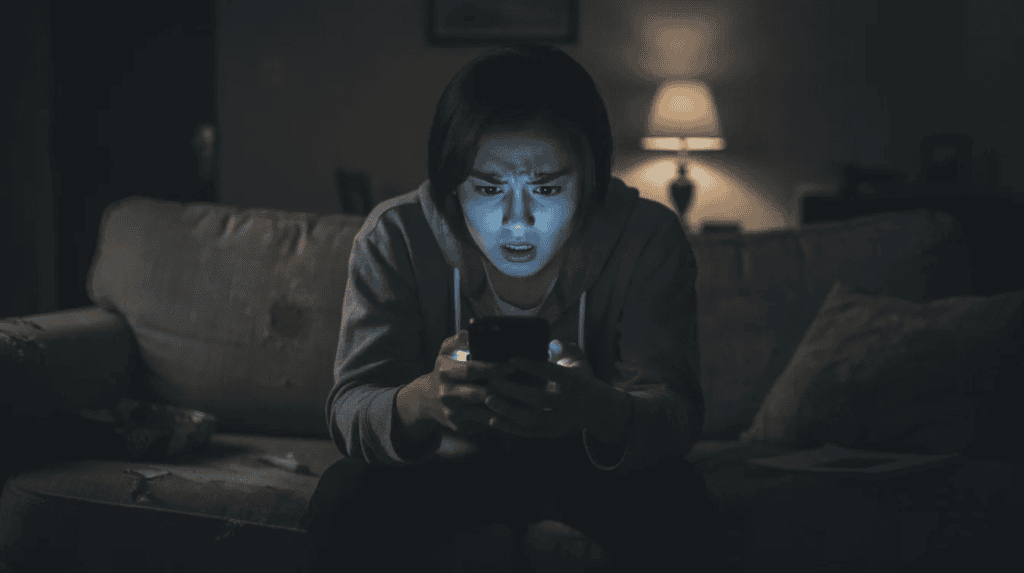
Immigration-Based Control and Threats
One of the most powerful weapons an abusive spouse or abusive family member can use is your immigration status. Abusers often weaponize it to keep you scared, dependent, and silent.
Specific behaviors that USCIS recognizes as evidence of extreme cruelty include:
- Threatening to call ICE or have you deported if you “disobey” or try to leave
- Refusing to file or sign immigration forms (like an I-130), then using that as leverage over you
- Threatening to withdraw a pending petition or “cancel your papers”
- Hiding or destroying your passport, work permits, birth certificate, or other supporting documents
- Forcing you to overstay a visa or work without authorization, then using your nonimmigrant status or lack of lawful immigration status as blackmail
These actions can be described in your personal declaration and evaluated in a psychological assessment as evidence of extreme cruelty. Even if you do not have police reports documenting these threats, a police report is not always required for a VAWA petition if credible evidence is provided through other means-such as text messages, detailed statements, and professional evaluations.
Immigration-based threats are especially relevant when documenting extreme hardship. If you were removed from the U.S. or forced to remain in the abusive relationship because of these threats, that context strengthens your case. VAWA cases require strong supporting evidence of abuse, and immigration-based control is among the most compelling forms.
Isolation, Monitoring, and Coercive Control
Coercive control describes a pattern of behavior aimed at dominating every part of a victim’s life. It is not a single incident-it is a systematic campaign to strip away your autonomy. VAWA protects victims of domestic violence from U.S. citizens or lawful permanent residents who engage in these patterns.
Concrete examples include:
- Not allowing you to learn English or attend classes
- Stopping you from working or controlling all of your earnings
- Blocking contact with family members in the U.S. or abroad
- Constantly checking your phone, messages, and social media; demanding passwords
- Controlling transportation and forbidding you to leave the house alone
- Preventing you from seeing a doctor, an immigration lawyer, or anyone who could help
These patterns frequently produce measurable mental health symptoms. Research shows that among IPV survivors, 70.6% report at least one emotional symptom-such as anxiety, depression, or hypervigilance-lasting a month or more. These symptoms can be documented in a forensic psychological report, providing objective clinical data that supports your claim.
Isolation also makes it much harder to gather evidence on your own, which is exactly why detailed personal statements and professional evaluations are so important in VAWA cases. Under immigration law, the evaluator’s clinical findings can fill gaps where physical evidence does not exist.
Verbal Humiliation, Gaslighting, and Psychological Attacks
Emotional abuse often occurs through words and repeated psychological attacks that erode a person’s sense of self over months or years. A self petitioner does not need to show physical scars-the damage from these patterns is real and clinically measurable.
Behaviors that USCIS has recognized as extreme cruelty include:
- Calling the victim degrading names related to race, language, culture, body, or immigration status
- Gaslighting: telling you “you’re crazy,” denying things that happened, or blaming you for the abuse
- Public humiliation in front of friends, children, or at community gatherings
- Repeatedly telling you that you are worthless, stupid, or that no one else would want you “with no papers”
- Using your lack of English or legal status to dismiss your opinions and silence you
These patterns can cause serious mental health consequences. Clinical research documents high rates of PTSD, major depression, and chronic anxiety among survivors of sustained psychological aggression. National survey data shows that nearly half of both women and men report experiencing psychological aggression by a partner in their lifetimes.
A vawa self petitioner can work with evaluators at Immigration Evaluations of Texas to document how these ongoing attacks meet the legal standard of extreme cruelty. The evaluation links specific abusive behaviors to specific symptoms-transforming a personal narrative into clinically grounded evidence.
Financial Control and Economic Abuse
Economic abuse is a powerful form of emotional and psychological control, and it hits especially hard for immigrants with limited employment authorization or unfamiliarity with U.S. financial systems.
Common examples include:
- Forbidding you to work, or only allowing you to work in the abuser’s business without pay
- Taking your paycheck, tips, or tax refunds and giving you little or no money for basic needs
- Refusing to add you to a bank account, lease, or health insurance as a form of punishment
- Threatening homelessness: “You’ll have nothing in this country without me”
- Sabotaging your ability to obtain immigration benefits or work permits
Economic abuse increases dependency and fear. When you have no money, no access to accounts, and no work authorization, leaving feels impossible. This context matters when a USCIS officer reviews a VAWA petition-it helps explain why a survivor stayed and why the abuse was so controlling.
Financial records, text messages about money, and specific details in psychological evaluations can corroborate this pattern. Even without bank statements, a detailed personal declaration describing economic control adds weight to the overall record. VAWA self-petitioners can apply for work authorization, which means that once your petition is accepted, you can begin building financial independence.
Impact of Emotional Abuse on Mental Health (and Why It Matters for VAWA)
Long-term emotional abuse produces real, measurable psychological harm. Common effects include anxiety disorders, major depression, panic attacks, chronic insomnia, PTSD symptoms, and pervasive shame. Many survivors describe difficulty concentrating, inability to trust others, and constant hypervigilance-always waiting for the next attack.
VAWA does not require a formal mental health diagnosis. However, mental health evidence can significantly strengthen a claim of battery or extreme cruelty and demonstrate the extreme hardship a survivor would face if removed from the U.S. or forced back into the abusive relationship.
Forensic psychological evaluations are uniquely positioned to link the emotional abuse to specific symptoms and functional impairments-such as difficulty working, parenting, or managing daily tasks. Standardized clinical instruments (like the PCL-5 for PTSD or the BDI for depression) produce objective scores that carry weight with adjudicators.
This mental health impact can support both the VAWA self-petition and related relief. For example, it strengthens a vawa adjustment of status application, certain waivers, and even claims in removal proceedings where the survivor faces vawa cancellation of removal. A criminal record on the part of the abuser-or the survivor’s own trauma responses-can also be contextualized within the evaluation.
VAWA self-petitioners may access certain public benefits while their case is pending, which can include mental health services. Getting help is not a sign of weakness-it is evidence of strength and an investment in your case.

Documenting Emotional Abuse for a Strong VAWA Petition
Emotional abuse is invisible by nature, which means careful documentation is the difference between a strong petition and a weak one. USCIS non-precedent decisions have denied cases where petitioners alleged humiliation and psychological abuse but failed to demonstrate a pattern, severity, and intent to control.
Types of evidence that strengthen a VAWA petition:
- Detailed personal declaration describing specific incidents with dates, locations, and how the abuse affected you
- Text messages, emails, social media posts, and voicemails showing threats, insults, or immigration-based control
- Witness statements from friends, family members, neighbors, religious leaders, or coworkers who observed changes in you or witnessed abusive behavior
- Medical or mental health records documenting anxiety, depression, or trauma related to the relationship
- Police reports, orders of protection, or shelter records when available-though these are not required
- Financial records showing economic control or dependency
An approved vawa self petition opens the door to significant relief. After receiving an approval notice, you can pursue lawful permanent residence through Form I-485. VAWA self-petitioners can apply for a green card without leaving the U.S., and there is no filing fee for the I-360 itself. VAWA applicants may receive work authorization after petition approval. Children of VAWA petitioners can apply for a green card as derivatives through concurrent filing when visa availability and priority date allow.
The key is specificity. Vague statements like “he was mean to me” carry little weight. Concrete details-“On March 15, 2024, he told me he would call immigration services to have me deported if I went to my sister’s house”-demonstrate pattern and severity.
Role of Immigration Psychological Evaluations in VAWA Cases
Immigration Evaluations of Texas specializes in forensic psychological evaluations for immigration cases, including VAWA, u visa, T-Visa, hardship waivers, asylum, special immigrant juvenile status (SIJS), and cancellation of removal.
A VAWA-focused evaluation typically includes:
- One to two clinical interviews conducted via telehealth or in-person video (available in English and Spanish)
- Detailed exploration of your relationship history, specific abuse incidents, and current safety concerns
- Assessment of symptoms using standardized instruments aligned with APA forensic guidelines
- Analysis of functional impairment-how the abuse has affected your work, parenting, relationships, and daily life
The final forensic psychological report (typically 12–20 pages) helps your immigration lawyer demonstrate:
- The presence of emotional and psychological abuse meeting VAWA’s extreme cruelty standard
- Good moral character and your efforts to cope or seek help
- The extreme hardship you may face if separated from support or forced to return to your home country
VAWA self-petitioners can include children under 21 in their case, and children of VAWA self-petitioners can also apply for benefits as a derivative applicant. The principal applicant’s evaluation often addresses the impact on the entire family unit, which can be relevant under the child status protection act for age-related concerns.
The practice offers fast turnaround options-standard five-day delivery with rush 24- or 48-hour availability-and maintains strict confidentiality throughout the process. The special confidentiality protections that apply to VAWA cases extend to every step of the evaluation.

How Immigration Evaluations of Texas Can Help
Emotional abuse is real, it is harmful, and it can be the foundation of a successful VAWA petition. The challenge is making the invisible visible-and that is exactly what a well-crafted psychological evaluation does.
At Immigration Evaluations of Texas, we offer:
- Culturally sensitive, trauma-informed evaluations for VAWA and other immigration cases
- Telehealth appointments accessible across Texas and beyond (where legally permitted), so you can be physically present in the comfort of your own safe space
- Bilingual services in English and Spanish
- Strict confidentiality at every stage, consistent with VAWA’s special confidentiality protections that apply to all immigration benefits
VAWA applicants receive special confidentiality protections, and you can provide a safe mailing address for all communication related to your case. VAWA petitioners are exempt from certain immigration restrictions, and an approved petition allows you to adjust status and pursue permanent residence-your green card-independently, without relying on your abuser. This immigration protection exists so that you can build a life free from fear.
We encourage you to speak with both an experienced immigration lawyer and a qualified mental health professional to develop a comprehensive VAWA strategy. If you or someone you know is experiencing emotional abuse from a u.s citizen or permanent resident family member, do not wait.
Contact Immigration Evaluations of Texas by phone or through our online booking form to schedule a consultation or evaluation today.
Share
Recent Posts

How Psychological Evaluations Help SIJS Cases
November 4, 2026
Imagine a teenager in Texas who fled abuse in their home country, now living with a foster family, attending a new school in...

What Is an Adam Walsh Waiver Evaluation?
November 2, 2026
When a U.S. citizen or lawful permanent resident with a past conviction involving a specified offense against a minor tries to sponsor a...

Can Children Receive Immigration Psychological Evaluations?
October 30, 2026
Yes-children can absolutely receive immigration psychological evaluations, and in many cases, these assessments are among the most influential pieces of evidence in a...