


September 11, 2026
Immigration Evaluations of Texas
Asylum seekers often carry invisible wounds. Persecution, torture, sexual violence, and political abuse leave psychological scars that do not show on X-rays. Psychological evaluations turn those experiences into documented, credible evidence that immigration judges can weigh.
“Forensic” here means mental health work performed specifically for legal purposes. It is not therapy. It is an objective clinical assessment designed for immigration court. Immigration Evaluations of Texas focuses on these evaluations for asylum (Form I-589), hardship waivers, U-Visa, VAWA, T-Visa, SIJS, and cancellation of removal. All evaluations are trauma-informed, culturally sensitive, and available in Spanish and English via telehealth.
Current Asylum Context in the U.S. (2025-2026)
U.S. asylum law and procedures shift frequently. USCIS paused adjudication of affirmative asylum applications in December 2025 for security review, while defensive asylum in immigration court continues. Asylum applicants must file Form I-589 within one year of arrival, and backlogs remain long.
The national asylum grant rate in merit hearings fell to 9.9% in FY2025, down from about 12% the year before. Texas immigration courts grant asylum at roughly 35.5%, well below states like New York (about 64.9%). In this context, strong forensic evidence, including psychological evaluations, is more relevant than ever for asylum seekers trying to overcome these odds. Immigration Evaluations of Texas works alongside immigration attorneys, not in place of them, to prepare this documentation.
What Is a Forensic Psychological Evaluation for Asylum?
A forensic psychological evaluation for asylum is a clinical assessment prepared for use as evidence in an asylum case. It differs from regular therapy because the goal is not treatment; it is objective documentation for a legal decision-maker.
The evaluation includes a clinical interview, psychological testing when appropriate, review of available records, and a detailed written report tailored for immigration court standards. Asylum evaluations document the psychological effects of persecution, and psychological evaluations help document trauma-related symptoms like PTSD and anxiety that may not be physically visible.
Core questions the evaluation addresses:
- Does the applicant show psychological effects of persecution or torture?
- Are reported experiences consistent with known trauma responses?
- How does trauma affect memory, emotional expression, or testimony?
Forensic psychological reports must meet federal evidentiary standards. Evaluations typically include clinical interviews and psychological testing, and the reports produced by Immigration Evaluations of Texas run 12-20 pages.
Legal Standards for Asylum and Why Mental Health Evidence Matters
Asylum requires meeting specific criteria under INA § 208. Asylum seekers must demonstrate a well-founded fear of persecution based on one of five protected grounds: race, religion, nationality, political opinion, or membership in a particular social group. The government must be involved in the persecution or unable to provide protection.
Persecution is defined broadly. Severe psychological harm counts; it does not have to be physical violence. An LGBTQ+ individual targeted for their identity, a political activist detained and threatened, or a religious convert facing death threats each fits within these categories.
Psychological evidence helps meet the asylum applicant’s burden of proof by linking clinical findings to the legal elements. Forensic evaluations connect diagnoses (PTSD, depression, complex trauma) to the reported persecution, demonstrating severity and consistency. Trauma can impair memory and emotional expression during asylum testimony, and forensic psychological evaluations help explain those effects on memory and behavior to judges who might otherwise interpret gaps as credibility problems. Immigration judges consider credibility, consistency with country conditions, and corroborating evidence; forensic psychological reports serve as that corroboration.
The Role of Forensic Psychologists in Asylum Cases
Board certified psychologists conduct immigration psychological evaluations. Forensic psychologists assess trauma-related symptoms in asylum seekers, document trauma history, evaluate factors that affect credibility, and translate clinical findings into language judges and attorneys can use.
Psychologists must adhere to forensic principles in evaluations and demonstrate cultural competency. Cultural competence is critical in conducting asylum evaluations, especially regarding language; trauma presents differently across cultures. Somatic complaints, silence, or flat affect may be normal responses in some cultural contexts, not signs of dishonesty. Clinicians trained in this work clarify how delayed disclosure, fragmented memories, or minimized emotion are common trauma responses.
Psychologists provide expert testimony in immigration court if needed, explaining their methods and findings. At Immigration Evaluations of Texas, evaluators focus exclusively on immigration services and stay current on research and forensic guidelines for asylum documentation.
What Happens During an Asylum Psychological Evaluation?
The process is structured but compassionate. Evaluators maintain a neutral stance and establish informed consent before assessments. Here is the typical sequence:
- Attorney and client intake – The attorney or client contacts the office. Case type (asylum, U-Visa, VAWA) is identified; languages and deadlines are discussed.
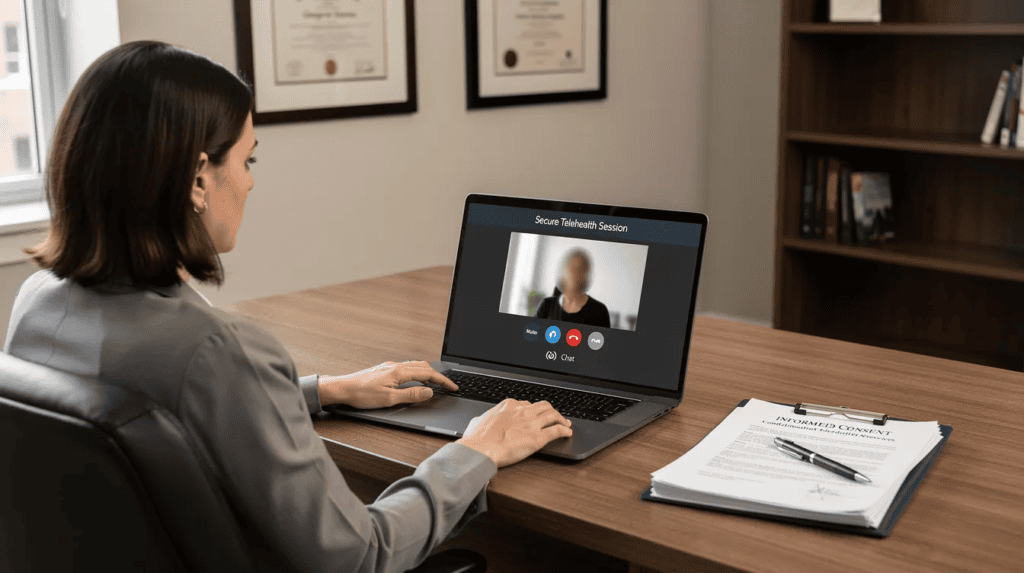
- Scheduling and preparation – A telehealth or video appointment is booked. Consent forms and a simple overview are sent to the client.
- Clinical interview – Two to four hours, sometimes split across sessions, covering personal history, migration journey, persecution experiences, current symptoms, and daily functioning. Trauma-informed interviewing minimizes distress and encourages accurate information gathering.
- Psychological testing – Standardized testing can quantify symptom severity when appropriate for the case. Psychological testing measures symptoms of PTSD, depression, and anxiety using validated instruments like the Clinician-Administered PTSD Scale or Beck Depression Inventory.
- Collateral and records – Review of medical records, police reports, affidavits, or country condition reports when available.
- Report writing – A 12-20 page forensic psychological report, delivered within a standard 5-business-day turnaround, with 24- or 48-hour rush options.
- Review with attorney – The report is shared securely. Minor clarifications are made while preserving clinical independence.
Interpreters can be provided. Evaluations are confidential within legal limits.

How Forensic Evaluations Help in Immigration Court
Immigration judges handle large caseloads. Detailed forensic evaluations help them understand the human context behind a legal file. Reports are structured around legal questions: they describe persecution experiences, relate them to symptoms, and link them to protected grounds and well-founded fear.
Forensic evaluations:
- Strengthen credibility by explaining trauma-related memory gaps
- Corroborate claims when physical evidence is limited
- Show risk of severe psychological harm if the applicant is forced to return
- Document evidence of torture and abuse that is not physically visible
Psychological evaluations help translate subjective experiences into legal evidence. Expert psychological testimony strengthens the credibility of asylum seekers. Forensic evaluations increase asylum approval rates; in some datasets, cases with forensic medical evaluations reached grant rates above 80% compared to a national average near 42%.
Forensic evaluators do not make asylum decisions but provide supportive clinical evidence. Immigration Evaluations of Texas prepares reports in a format immigration attorneys recognize, making integration into filings, briefs, and exhibits straightforward.
Research, Outcomes, and Real-World Examples
Research over the past two decades consistently finds elevated rates of PTSD and depression among refugees and asylum seekers. In one review, 91% of evaluated asylum seekers showed symptoms consistent with depression, anxiety, or trauma-related disorders. A 2026 study found that a PTSD diagnosis carried an adjusted odds ratio of approximately 6.67 for a favorable outcome, meaning it increased the likelihood of being granted asylum by nearly seven times.
Over 1,500 health professionals provide pro bono psychological evaluations for asylum cases nationwide, and comprehensive psychological evaluations strengthen asylum claims across case types.
Consider two anonymized composites. In one, a domestic violence survivor from Central America filed an asylum claim based on membership in a particular social group. Her forensic evaluation documented complex trauma, explaining why she had not disclosed abuse earlier. The court accepted the psychologist’s interpretation that shame and fear, not dishonesty, caused the delay. In another, an LGBTQ+ applicant’s credibility improved after the evaluator explained how internalized stigma around identity and ethnicity shaped his testimony. Neither evaluation guaranteed the outcome, but each gave the judge context that the legal record alone could not provide.
Costs, Timeline, and Telehealth Options
Cost and timing are central concerns for most asylum seekers. Forensic psychological evaluations for asylum typically range from $1,300 to $1,800, depending on complexity. The fee generally covers intake, a 2-to-4-hour interview, any necessary testing, attorney communication, and the comprehensive report.
| Option | Turnaround |
| Standard | 5 business days |
| Rush | 48 hours |
| Expedited Rush | 24 hours |
All evaluations at Immigration Evaluations of Texas can be completed via secure telehealth video. Bilingual (Spanish/English) capacity is available, along with interpreter coordination for other languages. Contact the office or use the online booking system to get an exact quote based on case type and deadline.
VAWA evaluations support petitions for domestic violence survivors. U-Visa evaluations assist victims of crimes in the U.S. Special Immigrant Juvenile Status evaluations address child welfare issues. Hardship waivers require evaluations to demonstrate exceptional circumstances. Each uses a similar process adapted to its legal context.

How to Get Started with an Asylum Evaluation
Reach out early, not the week before your hearing. Here is how:
- Schedule a consultation – Submit an online inquiry or call the office to discuss your asylum case, deadlines, and preferred language.
- Confirm details – Review the fee, sign consent forms, and book your evaluation session (telehealth or video).
- Complete the evaluation – Attend your clinical interview and any testing sessions.
- Receive your report – Your forensic psychological report is delivered securely to you and your attorney for filing and possible testimony.
Immigration Evaluations of Texas has deep expertise in trauma, persecution, detention, and immigration hardship. Every client is treated with dignity and respect.
Book your consultation now or call our office to get started.
Share
Recent Posts

Immigration Psychological Evaluation vs Therapy: What Is the Difference?
September 18, 2026
An immigration psychological evaluation is a formal, time-limited mental health assessment conducted specifically to support an immigration case. It is not ongoing treatment....

What Is Included in an Immigration Psychological Evaluation Report?
September 16, 2026
An immigration psychological evaluation report is one of the most important pieces of evidence you can submit in a U.S. immigration case. Whether...

How Psychological Evaluations Help U Visa Applicants
September 14, 2026
The U visa was created in 2000 under the Victims of Trafficking and Violence Protection Act. It provides a nonimmigrant status visa for...